
Nami Yamamoto
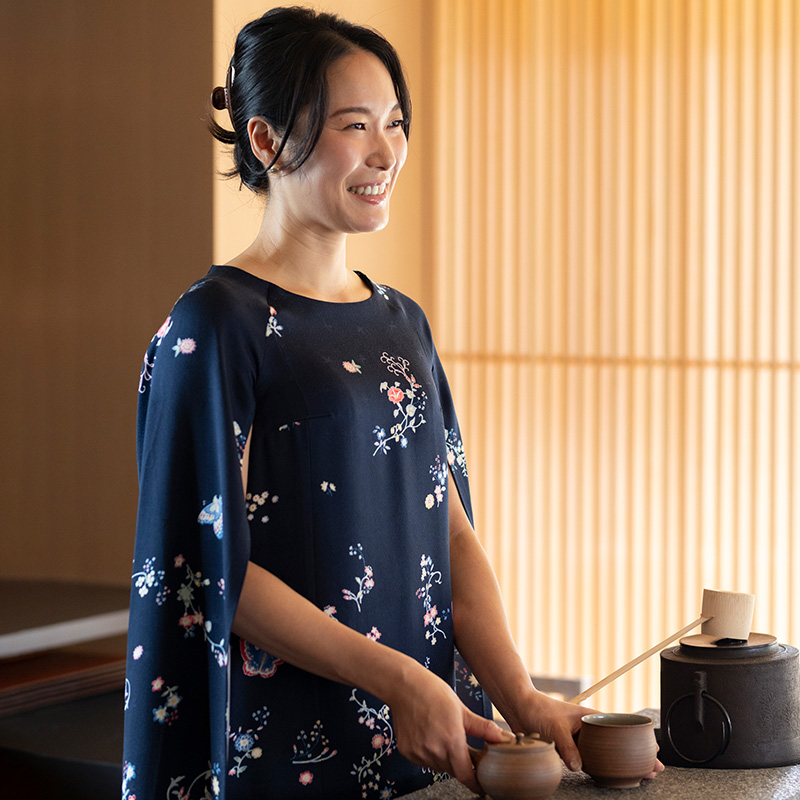
In our 300-year history, we have learned that our DNA is defined by theability to take a crisis and transform it into a chance for the next generation.
Founded in 1690 in Nihonbashi, Tokyo, Yamamotoyama has been a dedicated purveyor ofJapanese green tea and seaweed for over three centuries. Today, our mission is to evolve from atraditional product-selling model to a vibrant service-oriented experience, sharing our heritagethrough modern cafés and restaurants across the globe.
Could you please present yourself to our readers?
> Nami Yamamoto: I am the current leader of our family business, having recently
taken over the reins in my late 30s. While our family has a long-standing tradition o fsuccession, I am honored to be the first female successor in our history—a transitiont hat was made possible because I was an only child and my father was a pioneer in his thinking regarding the future of our leadership.
Can you present your company and its activities?
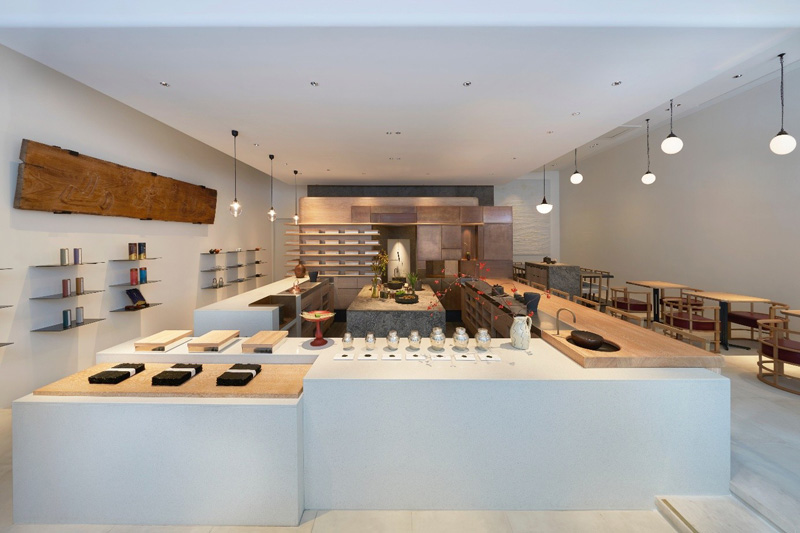
> N.Y. : We have a headquarter in Tokyo, Japan, and mainly operate retail shops throughout the country. Our flagship tea house is in the same location in Nihonbashi, Tokyo, where my ancestor settled in 1690. We also entered the global market in the 1970s, establishing tea fields in Brazil, acquiring the American teabrand Stash Tea, and establishing a U.S. manufacturing facility. :Global business isnow one of our major operations.
Which have been the outstanding events for your company in recent years?
> N.Y. : The most significant event has been the transition of leadership. Because my father was so forward-thinking, he initiated the succession planning early and entrusted me with the entire company while I was in my late 30s. This marked a historic shift for our family business.
Could you give us some indications about your major projects in a medium or long term?
> N.Y. : We are currently pivoting from a product-oriented model to a service model. We want to serve our green tea and seaweed in a café or restaurant-style environment, moving away from a strictly retail product-selling environment. This allows us to interact directly with the next generation of consumers.
How can you explain the logevity of your company?
> N.Y. : Our succession process is very simple: only one person gets the business, and no other siblings or relatives are involved. This has been very successful for us as it prevents internal conflict. We also focus strictly on our core products—green teaand seaweed—which leads to less distraction in the business and ensures were main experts in our field.
Could you say that this extraordinary longevity is an asset in your customer relations?
> N.Y. : Yes, it is a tremendous asset. In a world that moves so quickly, the fact that we have occupied the same location since 1690 creates an immediate bond of trust. Our customers know that we have survived through centuries by maintaining our quality, which gives them the confidence to stay with us for the long term.
Do the traditional values guiding the firm constitute an advantage as regards researchand innovation?
> N.Y. : Definitely. Our traditional values provide the "anchor" that allows us to innovate safely. We aren't changing our products; we are changing how they are experienced. Our pivot to a service-based café model is an innovation that is purely driven by our desire to keep our 300-year-old traditions fresh and exciting for a modern audience.
Did over the centuries the strong will of your family to keep its independence requirevery difficult decisions?
> N.Y. : Yes. During World War II, the government limited the sales of green tea because it was a commodity, leaving us with zero revenue. We had to find a different source of income to survive, which led us to create the opportunity for selling seaweed. This didn't just rescue the family business; it allowed us to thrive into thenext generation. Our DNA has a natural ability to take a crisis and turn it into achance.
Is the transmission of the firm to a family member governed by clearly established rules?
> N.Y. : The rule is very simple and has been practiced for generations: only the designated successor leads the company, and no other siblings or relatives are involved in the business operations. This clarity is what has kept us independent and focused.
Is the new generation already working in the firm?
> N.Y. : I have recently inherited the business, and I am leading the firm while my father is still very healthy. This allows me to carry his pioneering spirit forward as I implement our new vision.
Do you have a message to communicate to all those who would like to start their ownfamily business?
> N.Y. : Stay focused on your core products to avoid distraction. Do not be afraid to adapt your traditions to the times, just as my father was open-minded about my succession. Most importantly, never fear a crisis—look for the "chance" within it, as that is where your future growth often lies.