
Ryuichiro Suzuki
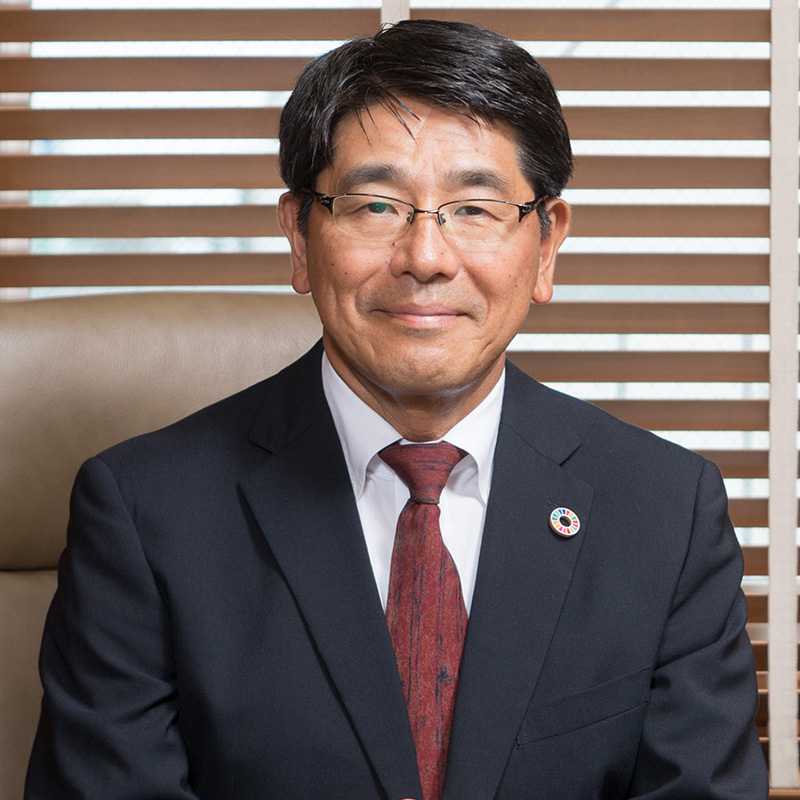
My name is Ryuichiro Suzuki, president of ZAISO LUMBER, a timber company founded over 330 years ago
Mr Ryuichiro SUZUKI, you are one of the members of the Henokiens Association. Could you please introduce yourself to our readers?
> R.S. : My name is Ryuichiro Suzuki. I was born in 1960 in Nagoya. After I graduated from university, I worked at a trading company in Tokyo for three years, and then returned to my own family company. I enjoy sports and still play tennis and golf. I also enjoy watching sports and follow baseball, soccer, the Olympics and more with great enthusiasm.
Can you present your company and its activities?
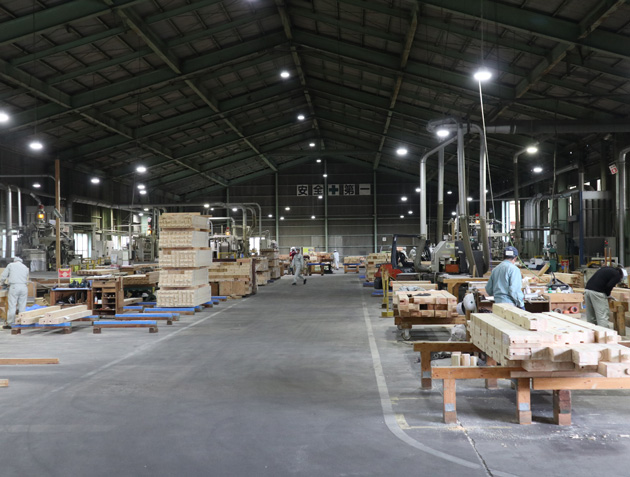
> R.S. : ZAISO LUMBER has been conducting business centered on timber for over 330 years. However, the nature of the timber business has changed over time, as have its business models. Recently, we have also been engaged in non-wood-related businesses, such as transportation, security services and sash installation.
What have been the outstanding events for your company in recent years?
> R.S. : In 2015, we delisted one of our group companies, DAINIHON WOOD-PRESERVING, through an MBO (Management Buyout), turning it into a private family company. With this, the ZAISO DMB HOLDINGS Group returned to being a privately held family business.
Could you give us some indications about your major projects in the medium or long term?
> R.S. : I am interested in environmental improvement and the promotion of the SDGs (Sustainable Development Goals). Forests and timber contribute to CO₂ absorption when they are utilized, replanted and regenerated. We are already engaged in solar and small-scale wind power generation. Moving forward, we would like to engage in small-scale hydroelectric power and battery storage businesses.
How can you explain the longevity of your company?
> R.S. : While our business has centered on timber, I believe the reason for our longevity is that we have adapted our operations to keep pace with changing times.
Could you say that this extraordinary longevity is an asset in your customer relations?
> R.S. : Our greatest asset, after operating locally for so long, is the trust we have earned as a company that stands its ground and never runs or hides.
Do the traditional values guiding the firm constitute an advantage as regards research and innovation?
> R.S. : I think that a strong desire to ensure the company's long-term survival served as the motivation for considering how to adapt to the coming era.
What are the most important traps that your company must avoid in order not to lose its independence?
> R.S. : I think that going public carries the risk of having one's shares bought up by another company.
Over the centuries, has your family's strong will to keep its independence required very difficult decisions?
> R.S. : When one of the companies in our group was publicly listed, we faced attempts at a hostile takeover and encountered various demands from "activist shareholders". That is why we carried out an MBO.
Is the handover of the firm to a family member governed by clearly established rules?
> R.S. : There are no hard-and-fast rules, but the general practice within the family is for the eldest son to become the sole successor.
Is the new generation already working in the firm?
> R.S. : Yes. My eldest son is already working in the company; he is 38 years old and serves as an executive director.
Do you have a message to communicate to all those who would like to start their own family business?
> R.S. : If you do not consider beforehand who will hold ownership of the company and its shares, it is likely to lead to trouble down the line.